

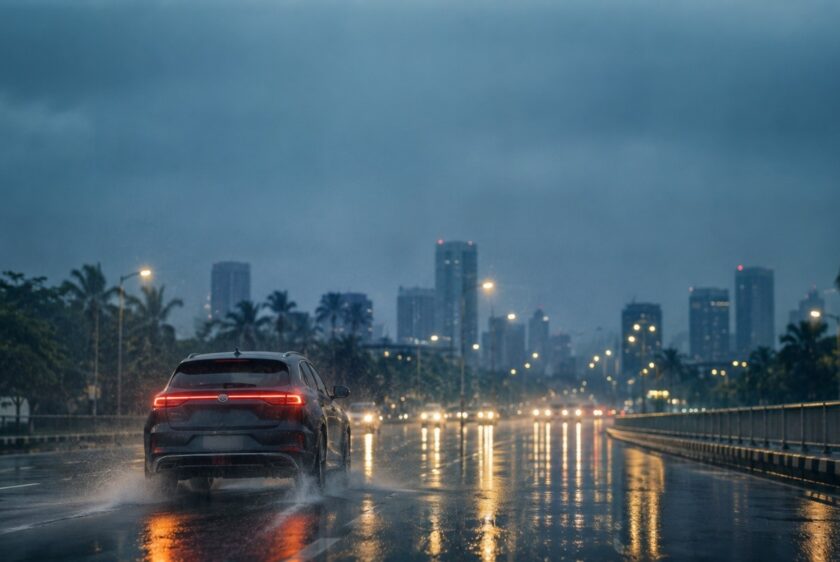
If you drive around Colombo or anywhere in the island’s southwest in August, you already know the routine: sudden downpours, flooded junctions, and slow, stop-start traffic. August sits at the tail end of the southwest (Yala) monsoon, and the capital still sees heavy rain across many days of the month. Wet weather doesn’t just make the drive slower – it quietly changes how much fuel your vehicle burns, how much it pollutes, and how safely it stops. Here’s what every Sri Lankan driver should know this monsoon.
Why your vehicle drinks more fuel in the rain
Rain makes your engine work harder, even at the same speed. Water on the road increases rolling resistance, so the engine burns extra fuel just to keep you moving. On top of that, wet roads force cautious driving — more braking, more acceleration, more stopping and starting — and that stop-go pattern is far less efficient than steady cruising.
The combined effect is real: studies of wet-weather driving report fuel economy dropping by anywhere from a few percent up to around 15% compared with dry conditions. And here’s the part that matters for the air we share – more fuel burned means more emissions. A vehicle straining through monsoon traffic pushes out more carbon monoxide and unburnt hydrocarbons than the same car on a clear, free-flowing road.
Tyres: your first line of defense — and efficiency
In the wet, tyres do double duty: they keep you safe and they keep you efficient.
- Tread depth is what channels water away and prevents aquaplaning. Worn, bald tyres lose grip fast on a wet Colombo road – a genuine safety risk in sudden rain.
- Tyre pressure matters more than most drivers think. Under-inflated tyres increase fuel consumption noticeably and lengthen your braking distance – the last thing you want on a slick surface.
Check your pressure at least once during the season and inspect the tread. It’s a five-minute habit that pays off in both safety and fuel savings.
Brakes, wipers and lights: the wet-weather essentials
Rain means you brake more often and stop over longer distances, so worn brake pads become a hazard rather than an inconvenience. If you hear grinding or feel a delay, get them checked before the next heavy shower.
Don’t overlook visibility, either. Smeared or juddering wiper blades and dim or misaligned lights turn a routine drive into a dangerous one during a downpour. Fresh wipers and working headlights, taillights and indicators are cheap insurance for monsoon nights.
Protecting your engine from moisture
The monsoon is tough on engines in ways you don’t always see:
- Air filter: A damp or clogged air filter restricts airflow and richens the fuel mixture, which raises both consumption and emissions. Have it inspected – replacing a dirty filter is one of the cheapest ways to keep your engine breathing clean.
- Electricals: Humidity and standing water can creep into connections and cause misfires. A pre- or mid-monsoon service catches weak spots early.
- Never gamble on flooded roads: Driving through deep-water risks pulling water into the engine – a costly failure known as hydrostatic lock. If you can’t see how deep it is, don’t chance it.
The emissions connection most drivers miss
Here’s the thread that ties it all together. A vehicle that’s straining in monsoon conditions — worn tyres, a choked air filter, an engine working overtime in flood traffic – doesn’t just cost you more at the pump. It burns fuel less cleanly and sends more pollution into already damp, stagnant city air.
A quick emission test mid-season is a smart health check for your engine. It flags a rich-running or poorly tuned engine early, before it turns into a bigger repair – and it confirms your vehicle is doing its part for the air we all share, rain or shine. If your revenue license renewal is coming up anyway, the monsoon is a sensible time to get it done.
Drive smart this monsoon
Wet-season driving in Sri Lanka asks more of your vehicle – more fuel, more caution, and more maintenance. A little preparation goes a long way: keep your tyres in shape, your brakes and wipers reliable, and your engine breathing clean. You’ll spend less on fuel, stay safer on flooded roads, and pollute less while you’re at it.
Due for an emission test, or just want peace of mind before the next big downpour? Drop by your nearest LAUGFS Eco Sri center for a fast, hassle-free check.
Visit ecosri.lk or call 0117 770 770.